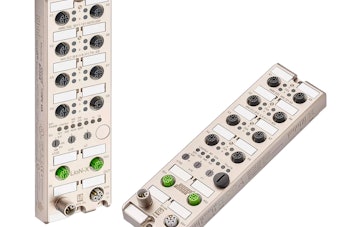
Digital transformation isn’t about being the most connected plant. It’s about being the most effective one.
metamorworks/Adobe Stock
Not long ago, I worked with a large manufacturer that set out to create its own in-house MES (manufacturing execution system). The goal was ambitious: a fully customized, all-in-one platform that could access data from every system in the plant and deliver any report an executive might dream of. Millions of dollars were poured into the project over several years. But despite the effort and cost, the system never fully materialized. Teams struggled to maintain it, operators avoided it, and the promised functionality remained out of reach.
It’s a story I’ve seen play out more than once: well-intentioned companies chasing big digital wins but overlooking the basics. The truth is, smart manufacturing doesn’t require massive systems or shiny dashboards. The smartest plants aren’t the ones with the flashiest tech. They’re the ones using the right tools to solve the right problems.
Welcome to "The Smart Line Playbook" series. Over the next several months, we’ll focus on practical, plant-floor-level strategies for using digital tools to improve efficiency, performance, and profitability. We’ll look at where technology is delivering real ROI, and where it’s just creating noise. This series isn’t about trends—it’s about traction.
Dr. Bryan Griffen is the President of Griffen Executive Solutions LLC. He was previously Senior Director of Industry Services for PMMI: The Association for Packaging and Processing Technologies, and he held a number of roles for Nestlé during his many years there.Griffen Executive SolutionsThe pressure to get smart
Today’s food and beverage manufacturers face increasing pressure to embrace digital transformation, but that pressure can backfire when it turns into a technology-first mindset. I’ve seen companies implement complex analytics platforms before clarifying what decisions they wanted to make. Others install dozens of sensors and generate terabytes of data—but no one looks at the reports.
The drive to "get smart" often leads to solutions that are overly complicated, underutilized, and poorly aligned with actual plant needs. And as the MES example shows, investing in flashy systems without a clear business case doesn’t just waste money, it undermines confidence in digital transformation efforts as a whole.
What smart really looks like
The smartest manufacturers I work with don’t chase hype. They start small, solve real problems, and scale what works. One processor began its digital journey by implementing mobile forms for downtime tracking on a single line. The data captured helped identify a mechanical issue that had been slowing production down for months. The problem was fixed, the ROI was validated, and then that same tool was expanded to other lines.
That’s smart. Smart doesn’t mean high-tech. It means high-impact.
It means:
Choosing tools your operators will actually use
Solving the pain points that cost you most
Making incremental improvements with measurable results
Digital tools should empower the team, not overwhelm them. When an operator logs into a system and immediately sees how a line is performing, that’s smart. When maintenance receives an alert that a motor is trending out of spec—before it fails—that’s smart. When supervisors can pull up shift data to help coach performance, that’s smart.
Often, it’s simple tools like QADRedzone, LineView, or off-the-shelf OEE tracking platforms that drive those wins. Not the multi-million-dollar custom builds.
Asking the right questions first
Before choosing any new technology, smart companies start with three simple questions:
What business problem are we trying to solve?
Who will use this tool, and how will it fit into their workflow?
How will we measure success?
If a vendor can’t help you answer those questions clearly, you’re not ready to buy.
This use-case-first mindset is echoed in the OpX Leadership Network’s work on digital transformation. Recent guidance on data management encourages manufacturers and OEMs to agree on a core set of equipment-level data points—things like runtime, stop codes, and production counts. The goal isn’t to collect everything—it’s to collect what matters and ensure it’s consistent across machines.
That consistency enables smarter decisions and easier tool integration. But it only works when the data connects back to a business use case. Just collecting runtime data doesn’t improve anything. Using it to pinpoint bottlenecks or coach operators? That drives results.
The real cost of flash
Big, flashy systems may look impressive on a trade show floor, but their hidden costs are steep. Every dollar spent on the wrong system is a dollar not spent solving a real problem. And every hour your team spends learning a tool they don’t need is time lost on actual production.
Even worse, when these systems fail to deliver, they leave behind a trail of skepticism. I’ve seen it firsthand. Teams become wary of new initiatives. Operators stop offering input. Leaders hesitate to approve new projects. All because the last big promise didn’t pan out.
The smartest line is the one that works
The most effective smart lines I’ve seen didn’t get there overnight. Companies started with a single pain point, addressed it with a manageable tool, and then built momentum. They used data to drive conversations, not just to populate dashboards—and they trusted their people to lead the way.
Back at that manufacturer with the failed MES rollout, a new plant manager eventually changed course. Instead of pushing the custom software, he empowered his teams to identify their own pain points. One group asked for a better way to track changeovers. Another wanted alerts for bottling machine jams. Small tools were implemented line-by-line. Efficiency went up, operator satisfaction improved, and trust in digital tools started to return.
Bridging the gap between people and tech
One of the biggest pitfalls in digital transformation isn’t the technology itself—it’s the disconnect between those who implement the tools and those who use them day to day. Too often, projects are driven exclusively by engineering or IT teams without enough input from frontline operators, maintenance staff, or quality leads.
Smart transformation doesn’t just require smart tools—it requires smart collaboration. The best initiatives bring people together early: involving line operators in identifying pain points, asking mechanics about root causes of downtime, and inviting quality assurance teams to define what “good” really looks like. This cross-functional perspective not only leads to better solutions but also accelerates adoption and reduces resistance.
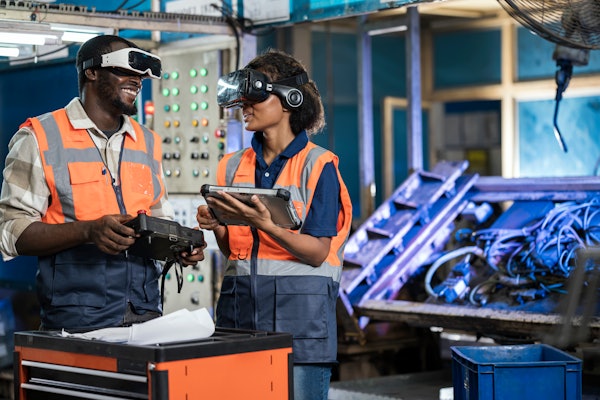
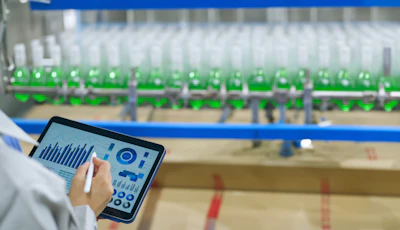
A disconnect between those who implement the tools and those who use them day to day can be a pitfall in digital transformation.ultramansk/Adobe Stock
In one factory I visited, a maintenance tech pointed out that a newly installed vibration sensor was mounted in a spot that would never catch the early signs of bearing failure—the real problem was seen on an adjacent bracket. That small insight saved thousands in avoided downtime, and it wouldn’t have come from the spec sheet. Building mechanisms for ongoing operator feedback, field testing, and co-development ensures the technology stays grounded in reality and continuously improves.
Final thoughts
Digital transformation isn’t about being the most connected plant. It’s about being the most effective one. That starts with clarity, not complexity.
As you look toward improving your own operations, resist the urge to chase flash. Instead, ask the right questions. Focus on your pain points. And remember: The smartest investments are the ones your people use every day.
Because in manufacturing, the real wins don’t come from the most sophisticated tech. They come from practical tools that make your line—and your people—smarter, one decision at a time.
 Dr. Bryan Griffen is the President of Griffen Executive Solutions LLC. He was previously Senior Director of Industry Services for PMMI: The Association for Packaging and Processing Technologies, and he held a number of roles for Nestlé during his many years there.Griffen Executive Solutions
 Dr. Bryan Griffen is the President of Griffen Executive Solutions LLC. He was previously Senior Director of Industry Services for PMMI: The Association for Packaging and Processing Technologies, and he held a number of roles for Nestlé during his many years there.Griffen Executive Solutions