Peelware's reusable paper plates reduce single-use waste
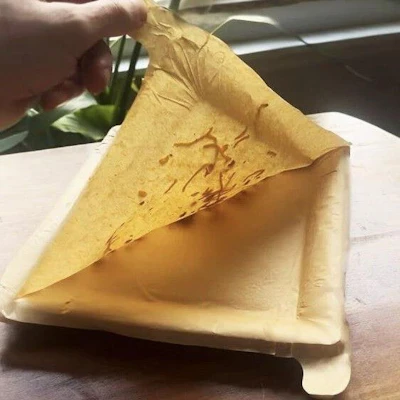
Design company Peelware has introduced a reusable paper plate concept made from peelable layers, aiming to reduce single-use dishware waste while eliminating the need for washing. Each plate comprises 20 compressed layers of paper, 15 peelable top layers and a 5-layer structural base, which allow users to remove the soiled surface after each use to reveal a fresh one beneath. The innovation is based on compressing natural fibers such as wood pulp and sugarcane bagasse using heat and pressure, without the use of glues, dyes, plastics, or chemical treatments. A plant-based waterproof coating is applied to each layer, ensuring it is resistant to liquids while remaining food-safe and fully compostable. The materials are biodegradable and designed to break down in composting facilities or standard waste streams. According to Peelware, one plate can be used up to 15 times, reducing the number of disposable plates needed over time. For example, a pack of 10 plates offers 150 uses. The structural base of the plate is sturdy enough to hold full meals, including hot dishes and sauces, and is microwave-safe for short durations.
The switch to paper reduces the need for virgin plastic by 171 tons per year.ThePackHub
Nicorette, a nicotine replacement brand active in Europe, the Middle East and Africa, has updated its nicotine tablet packaging by replacing traditional plastic blister packs with a cardboard version coated with PET. This change is part of a wider effort to make products more sustainable, supported by a new tool called the Sustainable Innovation Profiler. This tool helps teams design products with less environmental impact by checking four key areas: overall environmental footprint, carbon emissions, use of safer chemicals, and packaging recyclability. The cardboard pack keeps the same important features as the plastic version, it protects the tablets from moisture, is certified to be child-resistant, and is still easy for adults to use. According to the company, this switch reduces the need for virgin plastic by around 171 tons per year. Before launching, the design was tested with consumers to ensure it met their expectations for safety and ease of use. The change is described not just as a materials swap but as a new way of thinking about packaging and sustainability in healthcare. By using PET-coated cardboard, the pack maintains important protective qualities while being easier to recycle than fully plastic options.
The use of the SIG Small 12 Aseptic line enables manufacturers like Asahi to reduce product development time and respond swiftly to market demand for alternative beverages.ThePackHub
Asahi Group Japan uses flexible aseptic carton system for launch of milk-alternative
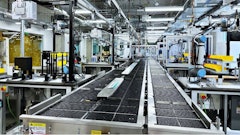
Asahi Group Japan has adopted SIG’s aseptic carton and filling technology to package LIKE MILK, a yeast-based milk alternative, marking a packaging-focused collaboration between the two companies. The product is packed in SIG SmallBloc aseptic cartons and filled using the SIG Small 12 Aseptic system, which is designed for flexibility in both format and production volume. This system allows rapid changes between different carton specifications, supporting up to 16 formats on a single line and running at a capacity of 12,000 packs per hour. It can handle both SIG SmallBloc and SmallFitcartons, offering options in volume, closures, and straw attachments, which is particularly suited to trial-stage or niche product launches requiring fast turnaround and minimal downtime. The use of the SIG Small 12 Aseptic line enables manufacturers like Asahi to reduce product development time and respond swiftly to market demand for alternative beverages. The aseptic packaging format provides shelf-stable storage without refrigeration, aligning with operational efficiency goals and minimizing cold chain reliance. While the materials and form of the SmallBloccarton remain consistent with standard liquid carton packaging, the emphasis in this application is on its ability to support short-run or adaptive manufacturing strategies.
 The switch to paper reduces the need for virgin plastic by 171 tons per year.ThePackHub