The program, includes around 180 Watsons stores across the Hong Kong SAR, with 120 of those locations equipped with dedicated recycling bins to facilitate self-service drop-off.
ThePackHub
These initiatives highlight the ongoing efforts to innovate within packaging and recycling, helping industries to reduce their environmental impact and move closer to a sustainable, circular economy.
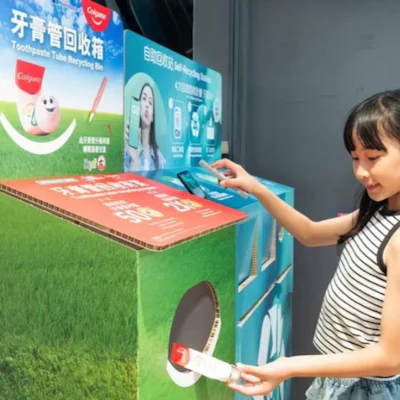
Colgate has extended its collaboration with Watsons Hong Kong to expand its toothpaste tube recycling initiative, “Small Acts, Big Smiles,” into a second phase, reflecting broader efforts to address packaging waste in the personal care sector. The program, now includes around 180 Watsons stores across the Hong Kong SAR, with 120 of those locations equipped with dedicated recycling bins to facilitate self-service drop-off of used toothpaste tubes from any brand. Running until 31 December 2026, the initiative aims to simplify consumer participation and raise recycling rates. Returned tubes are collected in partnership with local firms The Loops and Gaau1 Up, with recyclable materials upcycled into everyday items such as pens, clocks, and tableware, and non-recyclable components repurposed into building materials. In phase one, the initiative focused on producing stationery items that were donated to schoolchildren. In the current phase, Colgate and Watsons have increased consumer incentives through Hong Kong’s MoneyBack rewards program, offering 50 points per returned tube and double points for purchases of Colgate products with recyclable packaging labels.
The initiative promotes the responsible collection and recycling of vape devices, particularly those with embedded batteries and complex components.ThePackHub
Call2Recycle's recycling program grows to include cannabis vape devices
Call2Recycle, a Canadian non-profit based in Montreal, Quebec, has expanded its Recycle Your Vapes initiative to include cannabis vape devices, making Quebec the first province in Canada to implement a comprehensive recycling scheme for such products. The program responds to increasing consumption of battery-powered products and cannabis-related devices, aiming to address the environmental challenges linked to their disposal. Supported by RECYC-QUÉBEC and the provincial government, the initiative promotes the responsible collection and recycling of vape devices, particularly those with embedded batteries and complex components, which require specialized handling to prevent landfill waste, fires, and environmental contamination. The program has been developed in collaboration with various stakeholders including producers, retailers, municipal bodies, and several governmental ministries. Collection containers, designed for safety and ease of use, are being rolled out across the province to facilitate consumer participation. Once collected, devices are dismantled by qualified partners who recover materials such as metals and plastics for reintegration into the supply chain. The model aligns with broader circular economy goals and forms part of Call2Recycle’s nationwide battery stewardship efforts.
The PET bottles are designed to weigh approximately 400 grams less than standard glass alternatives.ThePackHub
Weinton introduces recyclable PET bottles for wine
A German startup based in Mainz has developed a lightweight, recyclable PET bottle specifically for wine, aiming to reduce carbon emissions associated with traditional glass packaging. The company, Weinton, designed the new PET bottles to weigh approximately 400 grams less than standard glass alternatives. This substantial weight reduction enables more compact storage and more efficient transportation, which in turn lowers shipping costs and the carbon footprint of wine distribution. The bottles are also fully compatible with Germany’s existing deposit return system, facilitating recycling and aligning with consumer expectations around sustainable packaging. The initiative was driven by a desire to innovate within the wine sector without altering the product itself. The use of PET is seen as a pragmatic response to logistical and environmental challenges, offering enhanced durability and reduced fragility while still maintaining shelf life and product integrity. The rollout is expected to begin in mid-December 2025, with broader supermarket availability in January 2026.
 The initiative promotes the responsible collection and recycling of vape devices, particularly those with embedded batteries and complex components.ThePackHub