With over five million visitors annually, the system is designed to eliminate an estimated 50 million single-use packaging items and prevent 190 tons of landfill waste over the next decade.
ThePackHub
These innovations demonstrate significant progress in reusable packaging, contributing to waste reduction and circular economy practices. They highlight the growing trend of businesses aligning sustainability with consumer convenience, with promising adoption rates and environmental benefits.
Grand Canyon National Park prepares for large-scale reusable food service system
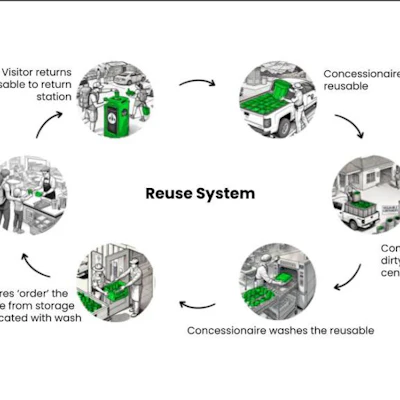
The Grand Canyon National Park, located in Arizona, USA, is set to implement what is expected to be the largest food service reuse system in the country by mid-2026. Led by non-profit organization Upstream, the initiative aims to replace all disposable food service items with reusable alternatives across the park’s food and beverage operations. With over five million visitors annually, the system is designed to eliminate an estimated 50 million single-use packaging items and prevent 190 tons of landfill waste over the next decade. The project will also reduce costs for concessionaires and lighten the operational burden on park staff managing waste. The key to the project is the integration of RFID technology, which will track reusable containers from point of sale to collection, enabling inventory control, loss monitoring, and data collection for performance analysis. The reuse system will include 80 return stations strategically placed next to existing waste and recycling bins, and will be color-coded for clarity. User interaction with the system has been designed to be language-independent, using images and symbols to cater to international visitors. Infrastructure changes include the installation of dishwashing equipment and staffing shifts to manage washing, collection, and operations. The reuse system is being rolled out as a closed-loop model within the park’s self-contained environment.
The mints combine breath freshening with functional health benefits, delivering ingredients such as probiotics, vitamins, and nootropics.ThePackHub
NOOZ's refillable mint packaging reduces supplement waste
Los Angeles-based brand NOOZ has launched a refillable packaging solution for its new line of functional wellness mints, offering a portable and sustainable alternative to traditional supplement formats. The mints are packaged in durable, minimalist metal tins designed for long-term use, supported by a refill system that uses sustainable pouches to replenish the product. This approach reduces the need for single-use packaging, aligning with growing consumer interest in refillable and reusable formats. Each tin is compact and intended for on-the-go use, targeting individuals with fast-paced lifestyles. The mints combine breath freshening with functional health benefits, delivering ingredients such as probiotics, vitamins, and nootropics. The packaging, while aesthetically led, is designed to be recyclable and withstand repeated handling, contributing to longevity and material efficiency. Unlike typical single-use supplement containers, NOOZ’s model reduces overall packaging waste through its closed-loop refill system. Customers can purchase refill packs separately, which are lighter and generate less material per use cycle than conventional plastic supplement jars or blister packs.
The Everpoursystem replaces single-use 70cl glass bottles with stainless steel kegs available in 5 or 20 liter formats.ThePackHub
Diageo expands trial of smart keg system to reduce single-use spirit bottles
Diageo, based in the United Kingdom, has expanded its trial of the Everpourkeg-and-dispense system for Smirnoff vodka, aiming to reduce single-use glass packaging in the on-trade sector. Initially piloted in Dublin, Ireland, the system has been rolled out to 10 pubs, with an additional 15 locations planned for early 2026. The Everpoursystem replaces single-use 70cl glass bottles with stainless steel kegs available in 5 or 20 liter formats. These kegs are part of a closed-loop system: once emptied, they are returned to Diageo for cleaning, refilling, and redistribution. Designed for reuse over a 25-year lifespan, each keg is intended to significantly reduce glass waste in hospitality settings. This second phase of the trial includes upgraded technological features such as RFID tracking, real-time monitoring of volume levels, and automated alerts for temperature, leaks, and blockages. These functions aim to improve product handling, quality control, and stock visibility for bar staff. Spirits bottles are refilled automatically within the unit as part of the dispensing process, and Diageo states that the system has been adapted to meet the operational demands of high-traffic periods.
 The mints combine breath freshening with functional health benefits, delivering ingredients such as probiotics, vitamins, and nootropics.ThePackHub