Tribal knowledge is walking out the door as experienced operators retire. What’s replacing it?
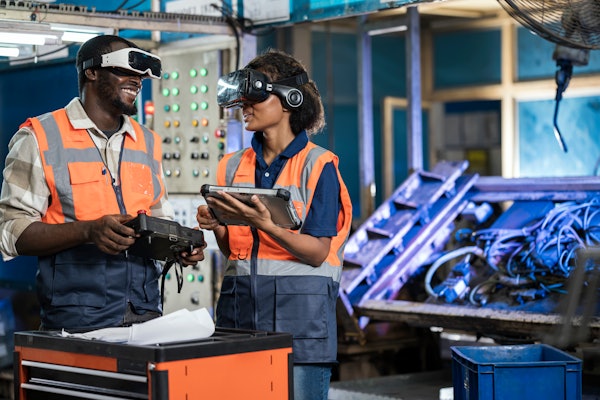
As CPGs grapple with labor shortages and skill gaps, many are turning to digital solutions to transform operator training from paper notebooks into real-time, accessible intelligence.
According to PMMI’s 2025 Knowledge Transfer for Machine Operators report, 55% of CPG and OEM respondents said processing settings and limits are the most critical type of knowledge. Other priority information for machine operators is documenting SOPs (52%), troubleshooting (45%), centerlining (30%), and safety protocols (27%).
To close the gap between engineers and the floor better communication is essential. Engineers must understand the day-to-day realities of an operator.
It’s a case of ensuring that the people who don’t operate the machines but who write the SOPs are trained on the machines, so they have practical experience and accurate information when they are writing the SOPs. After they have been written, the operator can verify them and tweak them as necessary.
Other ways survey participants suggested knowledge should be captured includes operator-led training, pulling machine data, and easily accessible data.
“The biggest impact would come from replacing outdated, text-heavy manuals with a dynamic, easily accessible knowledge base,” a participant said. “The platform should be mobile-first and optimized for shop-floor use by machine operators.”
SOURCE: 2025 Knowledge Transfer for Machine Operators: From Paper to Digital Intelligence
For more insights from PMMI’s Business Intelligence team, find reports, including Knowledge Transfer for Machine Operators: From Paper to Digital Intelligence, Beyond Manuals: Setting the Right Expectations for Operator Training on Modern Packaging Lines, and Inside the Workforce Gap at https://www.pmmi.org/business-intelligence.
Download the FREE report below.